|
NEJM
Mechanisms of Disease
| Volume 349:366-381 |
July 24, 2003 |
Number 4 |
|
|
Prostate
Cancer
William G. Nelson, M.D., Ph.D., Angelo M. De Marzo, M.D.,
Ph.D., and William B. Isaacs, Ph.D.
Prostate cancer is a leading cause of illness and death among men in
the United States and Western Europe. Autopsy series have revealed
small prostatic carcinomas in up to 29 percent of men 30 to 40 years
of age and 64 percent of men 60 to 70 years of age.1
Moreover, the risk of prostate cancer is 1 in 6 and the risk of death
due to metastatic prostate cancer is 1 in 30.2
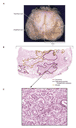
(Figure 1 shows multiple foci of prostate cancer.) With
widespread screening for prostate-specific antigen (PSA) and digital
rectal examination, as well as early treatment of localized prostate
cancer, however, the age-adjusted rates of death due to prostate
cancer have begun to decrease.3,4
In 2002, an estimated 189,000 men received a diagnosis of prostate
cancer, and there were an estimated 30,200 deaths due to prostate
cancer.2
View larger version (45K):
[in
this window]
[in
a new window]
|
Figure 1. Multiple Foci of
Proliferative Inflammatory Atrophy, High-Grade Prostatic
Intraepithelial Neoplasia, and Prostatic Carcinoma in the
Peripheral Zone of the Human Prostate.
Panel A is a photograph of a single slice of a prostate from
a radical prostatectomy. The transition zone, where most (>90
percent) benign prostatic hyperplasia develops, and the
peripheral zone, where most (>70 percent) prostate cancer
develops, are indicated. Areas with yellowish discoloration
represent regions containing prostate cancer. Panel B is a
low-magnification microscopical image of the region indicated in
Panel A (hematoxylin and eosin). Panel C is a
higher-magnification image of a prostate-cancer lesion (hematoxylin
and eosin).
|
|
Dietary factors, lifestyle-related factors, and androgens have long
been recognized as contributors to the risk of prostate cancer.
During the past decade, molecular studies have provided unexpected
clues as to how prostate cancers arise and progress. The
identification and characterization of genes associated with
inherited susceptibility to prostate cancer and of genes in
prostate-cancer cells that tend to have somatic alterations hint that
infection or inflammation of the prostate contributes to the
development of prostate cancer. Newly recognized mechanisms by which
environmental carcinogens might promote the progression of prostate
cancer and new insights into the way in which androgen receptors
modulate the phenotype of prostate-cancer cells have emerged. In this
article, we review recent discoveries in the genetics of prostate
cancer and in the acquired molecular defects that accumulate in
prostatic-carcinoma cells.
Diet, Lifestyle, and Prostate
Cancer
In a study of the risk of cancer among 44,788 pairs of twins
in Sweden, Denmark, and Finland,5 42
percent of cases of prostate cancer (95 percent confidence interval,
29 to 50 percent) were attributed to inheritance, with the remainder
most likely attributable to environmental factors. Epidemiologic
evidence also supports a major contribution of environmental factors
to the development of prostate cancer. The incidence of
prostate cancer and mortality due to prostate cancer are high in the
United States and Western Europe, with the highest rates among black
men in the United States, whereas lower rates are more characteristic
of Asia.6 The risk of prostate
cancer among Asians increases when they immigrate to North America
� again implicating the environment and lifestyle-related factors
in causing prostate cancer in the United States.7,8,9
Carcinogens in the Diet
The lifestyle-related factor that represents the most likely culprit
in the promotion of prostate cancer in the United States is diet. The
typical U.S. diet is rich in animal fats and meats and poor in fruits
and vegetables. In the Health Professionals Follow-up
Study, a prospective cohort study involving 51,529 men, increased
total fat intake, animal fat intake, and consumption of red meat were
associated with an increased risk of prostate cancer.10
The level of consumption of red meat was also correlated with the
risk of prostate cancer in the Physicians' Health Study11
and in a large cohort study in Hawaii.12
Although the components of red meats that promote prostate cancer
have not been identified, when meats are cooked at high temperatures
or broiled on charcoal grills, heterocyclic aromatic amine and
polycyclic aromatic hydrocarbon carcinogens form.13,14,15,16
One such heterocyclic amine carcinogen,
2-amino-1-methyl-6-phenylimidazo[4,5-b]pyridine (PhIP), causes
prostate cancer when fed to rats.17,18
Dietary Components That Protect against Prostate Cancer
Vegetables may protect against prostate cancer.19
In the Physicians' Health Study, high plasma levels of
the antioxidant carotenoid lycopene, resulting from a high intake of
tomatoes, have been associated with a reduced risk of prostate
cancer.20 In a recent clinical
trial, men given tomato sauce�based pasta dishes for three weeks
before radical prostatectomy had increased lycopene levels in the
blood and the prostate, decreased oxidative genomic damage in
leukocytes and prostate cells, and a reduction in the serum PSA
level.21 Other antioxidants, such as vitamin E
and selenium, may also reduce the risk of prostate cancer.22,23,24
A large clinical trial of supplementation with vitamin E and selenium
to prevent prostate cancer has just been initiated.25
High intake of cruciferous vegetables containing the
chemoprotective isothiocyanate sulforaphane was correlated with a
diminished risk of prostate cancer in a case�control study.26
Sulforaphane prevents cancers in animal models by inducing the
expression of carcinogen-detoxification enzymes that limit the cell
and genomic damage caused by carcinogens.27,28
By increasing the expression of carcinogen-detoxification enzymes,
sulforaphane can also act indirectly as an antioxidant.29,30
Inherited
Prostate-Cancer�Susceptibility Genes
Studies in twins that compare the concordant occurrence of
prostate cancer in monozygotic twins with that in dizygotic twins
have consistently revealed a stronger hereditary component in the
risk of prostate cancer than in any other type of cancer in humans.5,31,32,33
In 1990, Steinberg et al. reported that men with prostate cancer were
more likely than their spouses to report having an affected brother
or father and estimated that the presence of one, two, or three
affected family members increased the risk of prostate cancer in
first-degree relatives by a factor of 2, 5, and 11, respectively,
whereas the risk in a more distant relative was only marginally
increased.34 These findings have been
confirmed by other studies.35,36,37,38,39,40,41
Complex segregation analyses have suggested that rare autosomal dominant
alleles account for a substantial proportion of cases of inherited,
early-onset prostate cancer (defined as cancer occurring before 55
years of age).42,43,44,45
In families with men in whom prostate cancer is diagnosed at an older
age, an X-linked allele may be responsible.46,47
The first molecular genetic study of familial prostate cancer in
which polymorphic markers were used identified several regions of
linkage; the chromosomal region 1q24�25, designated the locus of
the hereditary prostate cancer (HPC1) gene, has been the most
thoroughly investigated.48 Some
analyses have confirmed a link between HPC1 and prostate
cancer, but others have failed to detect an association.49
In addition to HPC1, six other loci have received attention.50,51,52,53,54,55
RNASEL
The RNASEL gene encodes a widely expressed latent endoribonuclease
that participates in an interferon-inducible RNA-decay pathway that
is thought to degrade viral and cellular RNA.56,57,58,59,60
RNASEL has been linked to HPC1.61
In one family, four brothers with prostate cancer carried a disabling
mutation of RNASEL, and in another family, four of six
brothers with prostate cancer carried a base substitution affecting
the RNASEL initiator methionine codon.61
In preliminary population studies, the RNASEL allele with a
termination codon at amino acid position 265 was found in 0.54
percent of unaffected white men, and the allele with the defective
initiator methionine codon was not detected in any unaffected men.61
The RNASEL allele with a termination codon at amino acid
position 265 was also detected in 4.3 percent of Finnish men with
familial prostate cancer and only 1.8 percent of control men.62
Another study identified a mutant RNASEL allele, with a
deletion at codon 157, in an Ashkenazi Jewish population; this allele
was present in 6.9 percent of the men with prostate cancer and 2.9
percent of the elderly men without prostate cancer.63
An increased risk of prostate cancer was also associated with yet
another mutant RNASEL allele that encodes a less active enzyme.64
A single study failed to detect any association between RNASEL
alleles with inactivating mutations and prostate cancer.65
MSR1
The macrophage-scavenger receptor 1 (MSR1) gene, located at 8p22,
has also emerged as a candidate prostate-cancer�susceptibility gene.66
It encodes subunits of a macrophage-scavenger receptor that is
capable of binding a variety of ligands, including bacterial lipopolysaccharide
and lipoteichoic acid, and oxidized high-density lipoprotein and
low-density lipoprotein in the serum.67 Germ-line
MSR1 mutations have been linked to prostate cancer in some families
with hereditary prostate cancer, and one mutant MSR1 allele has
been detected in approximately 3 percent of men with nonhereditary prostate
cancer but only 0.4 percent of unaffected men (P=0.05).66,68
Expression of MSR1 appears to be restricted to macrophages in the
prostate that are abundant at sites of inflammation.
AR, CYP17, and SRD5A2
Polymorphic variants of three genes involved in androgen action, the
androgen-receptor (AR) gene, the cytochrome P-450c17 (CYP17) gene,
and the steroid-5- -reductase type II
(SRD5A2) gene, have been implicated in modifying the risk of
prostate cancer in genetic epidemiologic studies. In the case of AR,
which encodes the androgen receptor, polymorphic polyglutamine (CAG)
repeats have been described.69
Functional studies have suggested that shorter polyglutamine repeats
may be associated with increased androgen-receptor transcriptional
transactivation activity.70,71,72,73
Black Americans, who have a relatively high risk of prostate cancer,
tend to have shorter androgen-receptor polyglutamine repeats, whereas
Asians, who have a relatively low risk of prostate cancer, tend to
have longer androgen-receptor polyglutamine repeats. Several genetic
epidemiologic studies have shown a correlation between an increased
risk of prostate cancer and the presence of short androgen-receptor
polyglutamine repeats, but other studies have failed to detect such a
correlation.74,75,76,77,78,79,80
Polymorphic polyglycine (GGC) repeats are also characteristic of
AR and may also influence the risk of prostate cancer.76,79,80,81 -reductase type II
(SRD5A2) gene, have been implicated in modifying the risk of
prostate cancer in genetic epidemiologic studies. In the case of AR,
which encodes the androgen receptor, polymorphic polyglutamine (CAG)
repeats have been described.69
Functional studies have suggested that shorter polyglutamine repeats
may be associated with increased androgen-receptor transcriptional
transactivation activity.70,71,72,73
Black Americans, who have a relatively high risk of prostate cancer,
tend to have shorter androgen-receptor polyglutamine repeats, whereas
Asians, who have a relatively low risk of prostate cancer, tend to
have longer androgen-receptor polyglutamine repeats. Several genetic
epidemiologic studies have shown a correlation between an increased
risk of prostate cancer and the presence of short androgen-receptor
polyglutamine repeats, but other studies have failed to detect such a
correlation.74,75,76,77,78,79,80
Polymorphic polyglycine (GGC) repeats are also characteristic of
AR and may also influence the risk of prostate cancer.76,79,80,81
CYP17 encodes cytochrome P-450c17,
an enzyme that catalyzes key reactions in sex-steroid biosynthesis. A
variant CYP17 allele has been subjected to both population and
genetic-linkage analyses to determine its association with prostate
cancer, with inconsistent results.75,82,83,84,85,86,87,88
However, linkage data suggest that another variant CYP17
allele is associated with prostate cancer.89
SRD5A2 encodes the predominant isozyme of 5--reductase
in the prostate, an enzyme that converts testosterone to the more
potent dihydrotestosterone. Two common polymorphic variant SRD5A2
alleles have been described.90,91
The alleles that encode enzymes with increased activity have been
associated with an increased risk of prostate cancer and with a poor
prognosis for men with prostate cancer.90,92
In addition to AR, CYP17, and SRD5A2, polymorphic variants
of a number of other genes have been proposed as possible contributors
to the risk of prostate cancer.93
Genetic Susceptibility to Prostate Cancer
As we have seen, the genetics of the prostate have proved difficult to
study. Prostate cancer, once generally diagnosed at an advanced stage
in older men, is now more often detected at an early stage in younger
men as a consequence of more widespread screening for the disease.
This trend toward earlier diagnosis of prostate cancer has most
likely changed the definition of a "case" of cancer, since
many men who would have qualified as controls in previous genetic and
epidemiologic studies are now known to have prostate cancer as a
result of PSA screening. Despite these limitations, genetic studies
have provided remarkable clues to the causes of prostate cancer. For
example, in addition to the expected role of androgens in
facilitating the development of prostate cancer, the possibility that
viral or bacterial infections might lead to prostate cancer has been
raised with the identification of RNASEL and MSR1 as
familial prostate-cancer genes � an insight that will profoundly
affect future studies of the etiology of prostate cancer and may
ultimately lead to new approaches to the prevention of prostate
cancer (Table 1).61,66,67,94
Somatic Gene Defects in Prostate
Cancer
At the time of diagnosis, prostate-cancer cells contain many somatic
mutations, gene deletions, gene amplifications, chromosomal rearrangements,
and changes in DNA methylation (Figure 2 and Table
2). These alterations probably accumulate over a period of
several decades.1 The most commonly reported
chromosomal abnormalities appear to be gains at 7p, 7q, 8q, and Xq,
and losses at 8p, 10q, 13q, and 16q.95
A striking heterogeneity in chromosomal abnormalities has been seen
in different cases, in different lesions in the same case, and in
different areas within the same lesion. Additional somatic genomic
alterations appear to arise in association with the progression of
prostate cancer.96,97,98,99,100
Mutations in the TP53 gene, which are present in a minority of
primary prostate cancers, may undergo clonal selection in the process
of progression to metastatic prostate cancer.101,102
GSTP1
Hypermethylation of CpG island sequences encompassing the regulatory region
of GSTP1, encoding the  -class
glutathione S-transferase (GSTP), may link exposure to
genome-damaging stress to increased genomic instability during
prostatic carcinogenesis.103,104,105,106
In the normal prostate epithelium, GSTP1 is expressed in basal cells
but not in columnar secretory cells, although the enzyme may be
induced in columnar epithelial cells that are subjected to
genome-damaging stresses. In contrast, the enzyme is rarely present
in prostate-cancer cells. In more than 90 percent of cases of
prostate cancer, the absence of GSTP1 in prostate-cancer cells can be
attributed to hypermethylation of the CpG island sequences in GSTP1,
a somatic change that prevents the transcription of GSTP1.105
The absence of GSTP1 and hypermethylation of CpG island sequences of GSTP1
are also characteristic of cells in lesions of prostatic
intraepithelial neoplasia, which are thought to be precursors of
prostate cancer.107 -class
glutathione S-transferase (GSTP), may link exposure to
genome-damaging stress to increased genomic instability during
prostatic carcinogenesis.103,104,105,106
In the normal prostate epithelium, GSTP1 is expressed in basal cells
but not in columnar secretory cells, although the enzyme may be
induced in columnar epithelial cells that are subjected to
genome-damaging stresses. In contrast, the enzyme is rarely present
in prostate-cancer cells. In more than 90 percent of cases of
prostate cancer, the absence of GSTP1 in prostate-cancer cells can be
attributed to hypermethylation of the CpG island sequences in GSTP1,
a somatic change that prevents the transcription of GSTP1.105
The absence of GSTP1 and hypermethylation of CpG island sequences of GSTP1
are also characteristic of cells in lesions of prostatic
intraepithelial neoplasia, which are thought to be precursors of
prostate cancer.107
Although cells carrying inactivated GSTP1 alleles accumulate during
the development of prostate cancer, GSTP1 does not appear to
act as a tumor-suppressor gene.105 Instead, GSTP1
probably serves as a "caretaker" gene,108
defending prostate cells against genomic damage mediated by
carcinogens, such as PhIP, found in well-done or charred meats, or
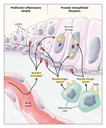
various oxidants, found at sites of inflammation (Figure
3).17,18,109
Cultured cells from a prostate-cancer line (LNCaP) that have been
modified to express GSTP1 form substantially fewer promutagenic PhIP�DNA
adducts on exposure to metabolically activated PhIP than do
unmodified LNCaP cells.109
GSTP1-expressing LNCaP prostate-cancer cells also form fewer oxidized
DNA bases on exposure to oxidant stresses than do unmodified LNCaP
cells; however, in response to oxidant stress, unmodified LNCaP
prostate-cancer cells survive better than do LNCaP prostate-cancer
cells that have been modified to express high levels of GSTP1
(unpublished data). This curious tolerance to oxidative genomic
damage associated with the loss of the caretaker function of GSTP1
may underlie the apparent preferential growth of cells with
inactivated GSTP1 alleles during carcinogenesis in the
prostate.
View larger version (71K):
[in
this window]
[in
a new window]
|
Figure 3. Loss of GSTP1
Caretaker Activity in Prostate Cells and Increased Vulnerability
to Genomic Damage Mediated by Carcinogens.
Dietary carcinogens, activated by liver cytochrome P-450
enzymes, and oxidant carcinogens, elaborated by inflammatory
cells (shown expressing the trimeric macrophage-scavenger
receptor MSR1), can be detoxified in basal epithelial cells and
in cells of proliferative inflammatory atrophy by the -class
glutathione S-transferase (GSTP1, shown as a dimer).
Cells of prostatic intraepithelial neoplasia, devoid of GSTP1,
undergo genomic damage mediated by such carcinogens. A red X
indicates interception and detoxification of carcinogens.
|
|
NKX3.1
No "gatekeeper" genes for the development of prostate cancer, analogous
to the adenomatous polyposis coli (APC) gene in colorectal cancer,
have been confidently identified.108 NKX3.1,
located at 8p21, encodes a prostate-specific homeobox gene that is
likely to be essential for normal prostate development and is
therefore a candidate gatekeeper gene.110,111
NKX3.1 binds DNA and represses expression of the PSA gene.112,113
Mice carrying one or two disrupted Nkx3.1 alleles manifest
prostatic epithelial hyperplasia and dysplasia.114,115
In men, the loss of 8p21 DNA sequences occurs early during prostatic
carcinogenesis, with 63 percent of lesions of prostatic
intraepithelial neoplasia, and more than 90 percent of prostate
cancers, showing a loss of heterozygosity at polymorphic 8p21 marker
sequences.116 Although mapping studies have
indicated that NKX3.1 lies within a common region of deletion at
8p21 in prostate cancer, molecular analyses have not yet established NKX3.1
as a somatic target for inactivation during prostatic carcinogenesis
� principally because, although one of two NKX3.1 alleles is
frequently deleted in prostate-cancer DNA, somatic mutations have not
been detected at the remaining allele.117,118,119
Nonetheless, the loss of NKX3.1 expression does appear to be related
to the progression of prostate cancer. One study found that NKX3.1
was absent in 20 percent of lesions of prostatic intraepithelial
neoplasia, 6 percent of low-stage prostate cancers, 22 percent of
high-stage prostate cancers, 34 percent of androgen-independent
prostate cancers, and 78 percent of prostate-cancer metastases.120
PTEN
The gene for phosphatase and tensin homologue (PTEN), a
tumor-suppressor gene encoding a phosphatase active against both
proteins and lipid substrates, is a common target for somatic
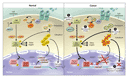
alteration during the progression of prostate cancer (Figure
4).121,122,123,124,125,126,127,128,129,130
PTEN is present in normal epithelial cells and in cells in prostatic intraepithelial
neoplasia.131 In prostate cancers, the level
of PTEN is frequently reduced, particularly in cancers of a high
grade or stage.131 Furthermore, in prostate
cancers that do contain PTEN, a considerable heterogeneity in levels,
with regions that are devoid of PTEN, has been described.131
In a study of prostate-cancer metastases recovered at autopsy,
somatic PTEN alterations were more common than they are in
primary prostate cancers, and heterogeneity in the PTEN
defects in different metastatic deposits in the same patient was also
evident.129
View larger version (47K):
[in
this window]
[in
a new window]
|
Figure 4. Molecular Events in
the Pathogenesis of Prostate Cancer.
In the normal prostate, NKX3.1, PTEN, and p27 regulate the
growth and survival of prostate cells. Inadequate levels of PTEN
(1) and NKX3.1 (2) lead to a reduction in p27 levels (3) by a
variety of mechanisms and to increased proliferation and
decreased apoptosis (4). GF denotes growth factor, GFR
growth-factor receptor, PIP3 phosphatidylinositol
3,4,5-triphosphate, PIP2 phosphatidylinositol
4,5-diphosphate, PI3K phosphatidylinositide 3-OH
kinase, PTEN phosphatase and tensin homologue, Akt protein
kinase B, PDK1 3-phosphoinositide-dependent protein kinase-1,
PDK2 3-phosphoinositide-dependent protein kinase-2, and FKHR
forkhead transcription factor. A red X indicates blocked
processes and molecules that have not been produced, a dotted
outline reduced levels of molecules, and an A the poly-A tail of
messenger RNA. The question mark and dotted arrow in the
left-hand panel represent the suspicion, not yet proven, that
NKX3.1 interacts directly with Akt.
|
|
Somatic allelic losses in both PTEN and NKX3.1 appear to be common
in prostate cancers, but somatic alterations affecting the remaining
alleles are not frequent. Nonetheless, haploinsufficiency for PTEN
and NKX3.1 may promote abnormal proliferation of prostate cells.
Although mice that are heterozygous for Nkx3.1 and mice that
are heterozygous for Pten display prostatic hyperplasia and
dysplasia, crossbreeding of these mice yields offspring that are
heterozygous for Pten with zero or one Nkx3.1 allele; in
all these offspring, prostatic intraepithelial neoplasia develops.114,132,133,134
The mechanism by which PTEN might act as a tumor suppressor in the
prostate and elsewhere may involve the inhibition of the
phosphatidylinositol 3'-kinase�protein kinase B (PI3K�Akt)
signaling pathway that is essential for cell-cycle progression and
cell survival.135,136,137,138
CDKN1B
Reduced levels of p27, a cyclin-dependent kinase inhibitor encoded by
the CDKN1B gene, also are common in prostate cancers, particularly in
prostate cancers with a poor prognosis.139,140,141,142,143,144
The basis for the low p27 levels is unknown, although the somatic loss
of DNA sequences at 12p12�13, encompassing CDKN1B, has been
described in 23 percent of localized prostate cancers, 30 percent of
metastases of prostate cancer in regional lymph nodes, and 47 percent
of distant metastases of prostate cancer.145
Levels of p27 are suppressed by the PI3K�Akt signaling pathway.136,138,146,147
By inhibiting PI3K�Akt, PTEN can increase the levels of CDKN1B
messenger RNA and p27 protein.148 For
this reason, low p27 levels may be as much a result of the loss of
PTEN function as of CDKN1B alterations. These interactions have
been recapitulated in a mouse model: although the targeted disruption
of Cdkn1b leads only to prostatic hyperplasia, prostate cancer
develops by three months of age in mice that are heterozygous for Pten
and have no Cdkn1b alleles.142,149
AR
Metastatic prostate cancer is usually treated with androgen suppression,
antiandrogens, or a combination of the two.150,151,152
Despite an initial response, progression is inevitable, because of
the emergence of androgen-independent prostate-cancer cells. In most
androgen-independent prostate cancers, expression of the receptor and
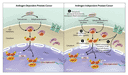
many aspects of its function are maintained (Figure 5).154,155,156,157
There is evidence that receptors drive the proliferation of
androgen-independent prostate-cancer cells even in the absence of
androgens.158 Many somatic alterations of
AR have been detected in prostate cancers, especially in those
that progress despite hormonal treatment.159,160,161,162,163,164,165,166,167,168,169,170,171,172
AR amplification, accompanied by overexpression of androgen receptors,
may promote the growth of androgen-independent prostate-cancer cells
by increasing the sensitivity of prostate-cancer cells to low levels
of circulating androgens.160 In many AR
mutations, the ligand-specificity of the receptor can be altered,
permitting activation by nonandrogens or even by antiandrogens.173,174,175
In a recent analysis of 44 mutant androgen receptors from prostate cancers,
16 percent had a loss of function, 7 percent maintained wild-type
function, 32 percent demonstrated partial function, and 45 percent
displayed a gain of function.176 In the absence
of AR mutations, androgen-independent prostate cancer may progress
through the activation of ligand-independent androgen-receptor signaling
pathways.177,178,179,180
View larger version (42K):
[in
this window]
[in
a new window]
|
Figure 5. Progression of
Prostate Cancer to Androgen Independence during Treatment with
Androgen Deprivation, Antiandrogens, or Both.
After therapeutic reduction in the levels of testosterone and
dihydrotestosterone (1), the emergence of androgen-independent
prostate cancer has been associated with mutations in the ligand-binding
domain of the androgen receptor (AR) that permit receptor
activation by other ligands (2), increased expression of
androgen receptors accompanying AR amplification (3), and
ligand-independent androgen-receptor activation (4).153
GFR denotes growth-factor receptor, PSA prostate-specific
antigen, HSP heat-shock protein, P phosphate, SRD5A2 steroid-5--reductase
type II, and ARA70 androgen-receptor�associated protein 70.
|
|
A Molecular Description of the Prostate-Cancer Cell
The identification of key molecular alterations in prostate-cancer cells
implicates carcinogen defenses (GSTP1), growth-factor�signaling pathways
(NKX3.1, PTEN, and p27), and androgens (AR) as critical determinants
of the phenotype of prostate-cancer cells and defines specific
targets for the detection, diagnosis, and treatment of prostate
cancer. Although the drugs that are currently in use for the
treatment of prostate cancer disrupt androgen action, in the future,
new drugs that interfere with other growth-signaling pathways will be
pursued.130
Prostatic Inflammation and
Prostatic Carcinogenesis
Chronic or recurrent inflammation probably has a role in the development
of many types of cancer in humans, including prostate cancer.181
Symptomatic prostatitis occurs in 9 percent or more of men between 40
and 79 years of age; about half of these men have more than one
episode of prostatitis by 80 years of age.182
The prevalence of asymptomatic prostatitis is not known.183,184
In most cases, no causal infectious agent can be identified, which
makes it difficult to link symptomatic or asymptomatic prostatitis
with prostate cancer in epidemiologic studies. However, an
increased risk of prostate cancer has been associated with sexually
transmitted infections, regardless of the pathogen, suggesting that
inflammation, rather than infection, initiates prostatic
carcinogenesis.185,186
Inflammatory cells elaborate numerous microbicidal oxidants that
might cause cellular or genomic damage in the prostate.187,188
The decreased risk of prostate cancer associated with the intake of
antioxidants or nonsteroidal antiinflammatory drugs is consistent with
this possibility.20,22,23,24,189,190,191
Two of the candidate prostate-cancer�susceptibility genes
identified thus far, RNASEL and MSR1, encode proteins
with critical functions in host responses to infections.61,66,67,94
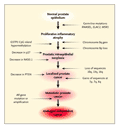
Proliferative Inflammatory Atrophy
In 1999, De Marzo et al. proposed that a prostatic lesion called proliferative
inflammatory atrophy is a precursor to prostatic intraepithelial
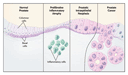
neoplasia and prostate cancer (Figure 6).192
Focal areas of epithelial atrophy have long been noticed in the
prostate and have been thought to be important in prostatic carcinogenesis.181,193
Such atrophic areas, containing proliferative epithelial cells that
fail to differentiate into columnar secretory cells, tend to occur in
the periphery of the prostate, where prostate cancers most commonly
arise.153,192,194
The term "proliferative inflammatory atrophy"
applies to focal atrophic lesions that are associated with chronic
inflammation and are often directly adjacent to lesions of prostatic
intraepithelial neoplasia, prostate cancers, or both.153,192,195,196
Somatic genomic abnormalities, similar to those in cells of prostatic
intraepithelial neoplasia and prostate-cancer cells, have been found
in cells in proliferative inflammatory atrophy.196
View larger version (43K):
[in
this window]
[in
a new window]
|
Figure 6. Proliferative
Inflammatory Atrophy as a Precursor to Prostatic Intraepithelial
Neoplasia and Prostate Cancer.
|
|
The frequent association of lesions of proliferative inflammatory atrophy
with chronic inflammation suggests that these lesions arise as a
consequence of the regenerative proliferation of prostate epithelial
cells in response to injury caused by inflammatory oxidants.192
Epithelial cells in lesions of proliferative inflammatory atrophy
show many molecular signs of stress, such as high levels of GSTP1,
glutathione S-transferase A1 (GSTA1), and cyclooxygenase-2 (COX-2).192,197,198
Loss of GSTP1, probably as a result of hypermethylation of the CpG
island sequences of GSTP1, may define the transition between
proliferative inflammatory atrophy and prostatic intraepithelial neoplasia
or prostate cancer.105,107,195
Prostatic inflammation, accompanied by focal epithelial atrophy, may
also contribute to the development of prostate cancer in rats.199,200
Summary
Genes, dietary factors, and lifestyle-related factors contribute to
the development of prostate cancer. Two inherited susceptibility genes,
RNASEL and MSR1, may have roles in responses to infections, raising
the possibility that prostate infection or inflammation initiates
prostatic carcinogenesis. A new prostate-cancer�precursor lesion,
proliferative inflammatory atrophy, may be another link between
prostatic inflammation and prostate cancer. Loss of the GSTP1
caretaker function, as cells of proliferative inflammatory atrophy
give rise to cells of prostatic intraepithelial neoplasia and to
prostate-cancer cells, increases the prostate's vulnerability to
genomic damage caused by inflammatory oxidants and dietary carcinogens.
Somatic targets of genomic damage include NKX3.1, a candidate
gatekeeper gene, as well as PTEN and AR, genes that may
modulate the progression of prostate cancer. Inherited polymorphic variants
of genes mediating androgen action, AR, CYP17, and SRD5A2,
also influence the development and progression of prostate cancer.
Supported by Mr. and Mrs. John C. Corckran, Jr., David H.
Koch, Bernard Schwartz, the Peter Jay Sharp Foundation, the Gerrard,
Duhon and Chalsty Professorship, and the Prostate Cancer Foundation.
Drs. Isaacs and Nelson report holding a patent (U.S. Patent 5,552,277)
entitled "Genetic Diagnosis of Prostate Cancer."
Source Information
From the Departments of Oncology (W.G.N., A.M.D., W.B.I.),
Pathology (W.G.N., A.M.D.), and Urology (W.G.N., A.M.D., W.B.I.), Johns Hopkins
University School of Medicine, Baltimore.
Address reprint requests to Dr. Nelson at Rm. 151, Bunting-Blaustein
Cancer Research Bldg., Sidney Kimmel Comprehensive Cancer Center at Johns
Hopkins, 1650 Orleans St., Baltimore, MD 21231-1000, or at [email protected].
References
- Sakr WA, Grignon DJ, Crissman JD, et al. High grade prostatic
intraepithelial neoplasia (HGPIN) and prostatic adenocarcinoma between the
ages of 20-69: an autopsy study of 249 cases. In Vivo 1994;8:439-443.
[Medline]
- Jemal A, Thomas A, Murray T, Thun M. Cancer statistics, 2002. CA
Cancer J Clin 2002;52:23-47. [Erratum, CA Cancer J Clin 2002;52:119, 181-2.]
[Abstract/Full Text]
- Hankey BF, Feuer EJ, Clegg LX, et al. Cancer surveillance
series: interpreting trends in prostate cancer. I. Evidence of the effects
of screening in recent prostate cancer incidence, mortality, and survival
rates. J Natl Cancer Inst 1999;91:1017-1024.
[Abstract/Full Text]
- Bartsch G, Horninger W, Klocker H, et al. Prostate cancer
mortality after introduction of prostate-specific antigen mass screening in
the Federal State of Tyrol, Austria. Urology 2001;58:417-424.
[CrossRef][ISI][Medline]
- Lichtenstein P, Holm NV, Verkasalo PK, et al. Environmental and
heritable factors in the causation of cancer -- analyses of cohorts of twins
from Sweden, Denmark, and Finland. N Engl J Med 2000;343:78-85.
[Abstract/Full Text]
- Hsing AW, Tsao L, Devesa SS. International trends and patterns
of prostate cancer incidence and mortality. Int J Cancer 2000;85:60-67.
[CrossRef][ISI][Medline]
- Whittemore AS, Kolonel LN, Wu AH, et al. Prostate cancer in
relation to diet, physical activity, and body size in blacks, whites, and
Asians in the United States and Canada. J Natl Cancer Inst 1995;87:652-661.
[Abstract]
- Haenszel W, Kurihara M. Studies of Japanese migrants. I.
Mortality from cancer and other diseases among Japanese in the United
States. J Natl Cancer Inst 1968;40:43-68.
[ISI][Medline]
- Shimizu H, Ross RK, Bernstein L, Yatani R, Henderson BE, Mack
TM. Cancers of the prostate and breast among Japanese and white immigrants
in Los Angeles County. Br J Cancer 1991;63:963-966.
[ISI][Medline]
- Giovannucci E, Rimm EB, Colditz GA, et al. A prospective study
of dietary fat and risk of prostate cancer. J Natl Cancer Inst
1993;85:1571-1579.
[Abstract]
- Gann PH, Hennekens CH, Sacks FM, Grodstein F, Giovannucci EL,
Stampfer MJ. Prospective study of plasma fatty acids and risk of prostate
cancer. J Natl Cancer Inst 1994;86:281-286. [Erratum, J Natl Cancer Inst
1994;86:728.]
[Abstract]
- Le Marchand L, Kolonel LN, Wilkens LR, Myers BC, Hirohata T.
Animal fat consumption and prostate cancer: a prospective study in Hawaii.
Epidemiology 1994;5:276-282.
[ISI][Medline]
- Gross GA, Turesky RJ, Fay LB, Stillwell WG, Skipper PL,
Tannenbaum SR. Heterocyclic aromatic amine formation in grilled bacon, beef
and fish and in grill scrapings. Carcinogenesis 1993;14:2313-2318.
[Abstract]
- Morgenthaler PM, Holzhauser D. Analysis of mutations induced by
2-amino-1-methyl-6-phenylimidazo[4,5-b]pyridine (PhIP) in human
lymphoblastoid cells. Carcinogenesis 1995;16:713-718.
[Abstract]
- Knize MG, Salmon CP, Mehta SS, Felton JS. Analysis of cooked
muscle meats for heterocyclic aromatic amine carcinogens. Mutat Res
1997;376:129-134.
[ISI][Medline]
- Lijinsky W, Shubik P. Benzo(a)pyrene and other polynuclear
hydrocarbons in charcoal-broiled meat. Science 1964;145:53-55.
[ISI]
- Stuart GR, Holcroft J, de Boer JG, Glickman BW. Prostate
mutations in rats induced by the suspected human carcinogen
2-amino-1-methyl-6-phenylimidazo[4,5-b]pyridine. Cancer Res 2000;60:266-268.
[Abstract/Full Text]
- Shirai T, Sano M, Tamano S, et al. The prostate: a target for
carcinogenicity of 2-amino-1-methyl-6-phenylimidazo[4,5-b] pyridine (PhIP)
derived from cooked foods. Cancer Res 1997;57:195-198.
[Abstract]
- Chan JM, Giovannucci EL. Vegetables, fruits, associated
micronutrients, and risk of prostate cancer. Epidemiol Rev 2001;23:82-86.
[ISI][Medline]
- Gann PH, Ma J, Giovannucci E, et al. Lower prostate cancer risk
in men with elevated plasma lycopene levels: results of a prospective
analysis. Cancer Res 1999;59:1225-1230.
[Abstract/Full Text]
- Chen L, Stacewicz-Sapuntzakis M, Duncan C, et al. Oxidative DNA
damage in prostate cancer patients consuming tomato sauce-based entrees as a
whole-food intervention. J Natl Cancer Inst 2001;93:1872-1879.
[Abstract/Full Text]
- Clark LC, Dalkin B, Krongrad A, et al. Decreased incidence of
prostate cancer with selenium supplementation: results of a double-blind
cancer prevention trial. Br J Urol 1998;81:730-734.
[CrossRef][ISI][Medline]
- Clark LC, Combs GF Jr, Turnbull BW, et al. Effects of selenium
supplementation for cancer prevention in patients with carcinoma of the
skin: a randomized controlled trial. JAMA 1996;276:1957-1963. [Erratum, JAMA
1997;277:1520.]
[Abstract]
- Heinonen OP, Albanes D, Virtamo J, et al. Prostate cancer and
supplementation with alpha-tocopherol and beta-carotene: incidence and
mortality in a controlled trial. J Natl Cancer Inst 1998;90:440-446.
[Abstract/Full Text]
- Hoque A, Albanes D, Lippman SM, et al. Molecular epidemiologic
studies within the Selenium and Vitamin E Cancer Prevention Trial (SELECT).
Cancer Causes Control 2001;12:627-633.
[CrossRef][ISI][Medline]
- Cohen JH, Kristal AR, Stanford JL. Fruit and vegetable intakes
and prostate cancer risk. J Natl Cancer Inst 2000;92:61-68.
[Abstract/Full Text]
- Zhang Y, Kensler TW, Cho CG, Posner GH, Talalay P.
Anticarcinogenic activities of sulforaphane and structurally related
synthetic norbornyl isothiocyanates. Proc Natl Acad Sci U S A
1994;91:3147-3150.
[Abstract]
- Zhang Y, Talalay P, Cho CG, Posner GH. A major inducer of
anticarcinogenic protective enzymes from broccoli: isolation and elucidation
of structure. Proc Natl Acad Sci U S A 1992;89:2399-2403.
[Abstract/Full Text]
- Dinkova-Kostova AT, Talalay P. Persuasive evidence that quinone
reductase type 1 (DT diaphorase) protects cells against the toxicity of
electrophiles and reactive forms of oxygen. Free Radic Biol Med
2000;29:231-240.
[CrossRef][ISI][Medline]
- Gao X, Dinkova-Kostova AT, Talalay P. Powerful and prolonged
protection of human retinal pigment epithelial cells, keratinocytes, and
mouse leukemia cells against oxidative damage: the indirect antioxidant
effects of sulforaphane. Proc Natl Acad Sci U S A 2001;98:15221-15226.
[Abstract/Full Text]
- Page WF, Braun MM, Partin AW, Caporaso N, Walsh P. Heredity and
prostate cancer: a study of World War II veteran twins. Prostate
1997;33:240-245.
[CrossRef][ISI][Medline]
- Ahlbom A, Lichtenstein P, Malmstrom H, Feychting M, Hemminki K,
Pedersen NL. Cancer in twins: genetic and nongenetic familial risk factors.
J Natl Cancer Inst 1997;89:287-293.
[Abstract/Full Text]
- Gronberg H, Damber L, Damber JE. Studies of genetic factors in
prostate cancer in a twin population. J Urol 1994;152:1484-1489.
[ISI][Medline]
- Steinberg GD, Carter BS, Beaty TH, Childs B, Walsh PC. Family
history and the risk of prostate cancer. Prostate 1990;17:337-347.
[ISI][Medline]
- Morganti G, Gianferrari L, Cresseri A, Arrigoni G, Lovati G.
Recherches clinico-stastisiques et g�n�tiques sur les n�oplasies de la
prostate. Acta Genet Stat Med 1956;6:304-305.
- Lesko SM, Rosenberg L, Shapiro S. Family history and prostate
cancer risk. Am J Epidemiol 1996;144:1041-1047.
[Abstract]
- Ghadirian P, Howe GR, Hislop TG, Maisonneuve P. Family history
of prostate cancer: a multi-center case-control study in Canada. Int J
Cancer 1997;70:679-681.
[CrossRef][ISI][Medline]
- Glover FE Jr, Coffey DS, Douglas LL, et al. Familial study of
prostate cancer in Jamaica. Urology 1998;52:441-443.
[CrossRef][ISI][Medline]
- Rodriguez C, Calle EE, Miracle-McMahill HL, et al. Family
history and risk of fatal prostate cancer. Epidemiology 1997;8:653-657.
[ISI][Medline]
- Whittemore AS, Wu AH, Kolonel LN, et al. Family history and
prostate cancer risk in black, white, and Asian men in the United States and
Canada. Am J Epidemiol 1995;141:732-740.
[Abstract]
- Spitz MR, Currier RD, Fueger JJ, Babaian RJ, Newell GR.
Familial patterns of prostate cancer: a case-control analysis. J Urol
1991;146:1305-1307.
[ISI][Medline]
- Carter BS, Beaty TH, Steinberg GD, Childs B, Walsh PC.
Mendelian inheritance of familial prostate cancer. Proc Natl Acad Sci U S A
1992;89:3367-3371.
[Abstract]
- Gronberg H, Damber L, Damber JE, Iselius L. Segregation
analysis of prostate cancer in Sweden: support for dominant inheritance. Am
J Epidemiol 1997;146:552-557.
[Abstract]
- Schaid DJ, McDonnell SK, Blute ML, Thibodeau SN. Evidence for
autosomal dominant inheritance of prostate cancer. Am J Hum Genet
1998;62:1425-1438.
[CrossRef][ISI][Medline]
- Verhage BA, Baffoe-Bonnie AB, Baglietto L, et al. Autosomal
dominant inheritance of prostate cancer: a confirmatory study. Urology
2001;57:97-101.
[CrossRef][ISI][Medline]
- Cui J, Staples MP, Hopper JL, English DR, McCredie MR, Giles GG.
Segregation analyses of 1,476 population-based Australian families affected
by prostate cancer. Am J Hum Genet 2001;68:1207-1218.
[CrossRef][ISI][Medline]
- Monroe KR, Yu MC, Kolonel LN, et al. Evidence of an X-linked or
recessive genetic component to prostate cancer risk. Nat Med 1995;1:827-829.
[ISI][Medline]
- Smith JR, Freije D, Carpten JD, et al. Major susceptibility
locus for prostate cancer on chromosome 1 suggested by a genome-wide search.
Science 1996;274:1371-1374.
[Abstract/Full Text]
- Ostrander EA, Stanford JL. Genetics of prostate cancer: too
many loci, too few genes. Am J Hum Genet 2000;67:1367-1375.
[CrossRef][ISI][Medline]
- Berthon P, Valeri A, Cohen-Akenine A, et al. Predisposing gene
for early-onset prostate cancer, localized on chromosome 1q42.2-43. Am J Hum
Genet 1998;62:1416-1424.
[CrossRef][ISI][Medline]
- Gibbs M, Stanford JL, McIndoe RA, et al. Evidence for a rare
prostate cancer-susceptibility locus at chromosome 1p36. Am J Hum Genet
1999;64:776-787.
[CrossRef][ISI][Medline]
- Xu J, Meyers D, Freije D, et al. Evidence for a prostate cancer
susceptibility locus on the X chromosome. Nat Genet 1998;20:175-179.
[CrossRef][ISI][Medline]
- Berry R, Schroeder JJ, French AJ, et al. Evidence for a
prostate cancer-susceptibility locus on chromosome 20. Am J Hum Genet
2000;67:82-91.
[CrossRef][Medline]
- Tavtigian SV, Simard J, Teng DH, et al. A candidate prostate
cancer susceptibility gene at chromosome 17p. Nat Genet 2001;27:172-180.
[CrossRef][ISI][Medline]
- Xu J, Zheng SL, Hawkins GA, et al. Linkage and association
studies of prostate cancer susceptibility: evidence for linkage at 8p22-23.
Am J Hum Genet 2001;69:341-350.
[CrossRef][Medline]
- Silverman RH, Jung DD, Nolan-Sorden NL, Dieffenbach CW, Kedar
VP, SenGupta DN. Purification and analysis of murine 2-5A-dependent RNase. J
Biol Chem 1988;263:7336-7341.
[Abstract/Full Text]
- Jacobsen H, Czarniecki CW, Krause D, Friedman RM, Silverman RH.
Interferon-induced synthesis of 2-5A-dependent RNase in mouse JLS-V9R cells.
Virology 1983;125:496-501.
[ISI][Medline]
- Floyd-Smith G, Slattery E, Lengyel P. Interferon action: RNA
cleavage pattern of a (2'-5')oligoadenylate-dependent endonuclease. Science
1981;212:1030-1032.
[ISI][Medline]
- Clemens MJ, Williams BR. Inhibition of cell-free protein
synthesis by pppA2'p5'A2'p5'A: a novel oligonucleotide synthesized by
interferon-treated L cell extracts. Cell 1978;13:565-572.
[ISI][Medline]
- Zhou A, Hassel BA, Silverman RH. Expression cloning of
2-5A-dependent RNAase: a uniquely regulated mediator of interferon action.
Cell 1993;72:753-765.
[ISI][Medline]
- Carpten J, Nupponen N, Isaacs S, et al. Germline mutations in
the ribonuclease L gene in families showing linkage with HPC1. Nat Genet
2002;30:181-184.
[CrossRef][ISI][Medline]
- Rokman A, Ikonen T, Seppala EH, et al. Germline alterations of
the RNASEL gene, a candidate HPC1 gene at 1q25, in patients and families
with prostate cancer. Am J Hum Genet 2002;70:1299-1304.
[CrossRef][ISI][Medline]
- Rennert H, Bercovich D, Hubert A, et al. A novel founder
mutation in the RNASEL gene, 471delAAAG, is associated with prostate cancer
in Ashkenazi Jews. Am J Hum Genet 2002;71:981-984.
[CrossRef][ISI][Medline]
- Casey G, Neville PJ, Plummer SJ, et al. RNASEL Arg462Gln
variant is implicated in up to 13% of prostate cancer cases. Nat Genet
2002;32:581-583.
[CrossRef][Medline]
- Wang L, McDonnell SK, Elkins DA, et al. Analysis of the RNASEL
gene in familial and sporadic prostate cancer. Am J Hum Genet
2002;71:116-123.
[CrossRef][ISI][Medline]
- Xu J, Zheng SL, Komiya A, et al. Germline mutations and
sequence variants of the macrophage scavenger receptor 1 gene are associated
with prostate cancer risk. Nat Genet 2002;32:321-325.
[CrossRef][ISI][Medline]
- Platt N, Gordon S. Is the class A macrophage scavenger receptor
(SR-A) multifunctional? The mouse's tale. J Clin Invest 2001;108:649-654.
[Full Text]
- Dejager S, Mietus-Snyder M, Friera A, Pitas RE. Dominant
negative mutations of the scavenger receptor: native receptor inactivation
by expression of truncated variants. J Clin Invest 1993;92:894-902.
[ISI][Medline]
- Edwards A, Hammond HA, Jin L, Caskey CT, Chakraborty R. Genetic
variation at five trimeric and tetrameric tandem repeat loci in four human
population groups. Genomics 1992;12:241-253.
[ISI][Medline]
- Chamberlain NL, Driver ED, Miesfeld RL. The length and location
of CAG trinucleotide repeats in the androgen receptor N-terminal domain
affect transactivation function. Nucleic Acids Res 1994;22:3181-3186.
[Abstract]
- Kazemi-Esfarjani P, Trifiro MA, Pinsky L. Evidence for a
repressive function of the long polyglutamine tract in the human androgen
receptor: possible pathogenetic relevance for the (CAG)n-expanded
neuronopathies. Hum Mol Genet 1995;4:523-527.
[Abstract]
- Irvine RA, Ma H, Yu MC, Ross RK, Stallcup MR, Coetzee GA.
Inhibition of p160-mediated coactivation with increasing androgen receptor
polyglutamine length. Hum Mol Genet 2000;9:267-274.
[Abstract/Full Text]
- Beilin J, Ball EM, Favaloro JM, Zajac JD. Effect of the
androgen receptor CAG repeat polymorphism on transcriptional activity:
specificity in prostate and non-prostate cell lines. J Mol Endocrinol
2000;25:85-96.
[ISI][Medline]
- Bennett CL, Price DK, Kim S, et al. Racial variation in CAG
repeat lengths within the androgen receptor gene among prostate cancer
patients of lower socioeconomic status. J Clin Oncol 2002;20:3599-3604.
[Abstract/Full Text]
- Latil AG, Azzouzi R, Cancel GS, et al. Prostate carcinoma risk
and allelic variants of genes involved in androgen biosynthesis and
metabolism pathways. Cancer 2001;92:1130-1137.
[CrossRef][ISI][Medline]
- Hsing AW, Gao YT, Wu G, et, al. Polymorphic CAG and GGN repeat
lengths in the androgen receptor gene and prostate cancer risk: a
population-based case-control study in China. Cancer Res 2000;60:5111-5116.
[Abstract/Full Text]
- Hakimi JM, Schoenberg MP, Rondinelli RH, Piantadosi S, Barrack
ER. Androgen receptor variants with short glutamine or glycine repeats may
identify unique subpopulations of men with prostate cancer. Clin Cancer Res
1997;3:1599-1608.
[Abstract]
- Giovannucci E, Stampfer MJ, Krithivas K, et al. The CAG repeat
within the androgen receptor gene and its relationship to prostate cancer.
Proc Natl Acad Sci U S A 1997;94:3320-3323.
[Abstract/Full Text]
- Stanford JL, Just JJ, Gibbs M, et al. Polymorphic repeats in
the androgen receptor gene: molecular markers of prostate cancer risk.
Cancer Res 1997;57:1194-1198.
[Abstract]
- Irvine RA, Yu MC, Ross RK, Coetzee GA. The CAG and GGC
microsatellites of the androgen receptor gene are in linkage disequilibrium
in men with prostate cancer. Cancer Res 1995;55:1937-1940.
[Abstract]
- Platz EA, Giovannucci E, Dahl DM, et al. The androgen receptor
gene GGN microsatellite and prostate cancer risk. Cancer Epidemiol
Biomarkers Prev 1998;7:379-384.
[Abstract]
- Stanford JL, Noonan EA, Iwasaki L, et al. A polymorphism in the
CYP17 gene and risk of prostate cancer. Cancer Epidemiol Biomarkers Prev
2002;11:243-247.
[Abstract/Full Text]
- Kittles RA, Panguluri RK, Chen W, et al. Cyp17 promoter variant
associated with prostate cancer aggressiveness in African Americans. Cancer
Epidemiol Biomarkers Prev 2001;10:943-947.
[Abstract/Full Text]
- Haiman CA, Stampfer MJ, Giovannucci E, et al. The relationship
between a polymorphism in CYP17 with plasma hormone levels and prostate
cancer. Cancer Epidemiol Biomarkers Prev 2001;10:743-748.
[Abstract/Full Text]
- Habuchi T, Liqing Z, Suzuki T, et al. Increased risk of
prostate cancer and benign prostatic hyperplasia associated with a CYP17
gene polymorphism with a gene dosage effect. Cancer Res 2000;60:5710-5713.
[Abstract/Full Text]
- Gsur A, Bernhofer G, Hinteregger S, et al. A polymorphism in
the CYP17 gene is associated with prostate cancer risk. Int J Cancer
2000;87:434-437.
[CrossRef][ISI][Medline]
- Wadelius M, Andersson AO, Johansson JE, Wadelius C, Rane E.
Prostate cancer associated with CYP17 genotype. Pharmacogenetics
1999;9:635-639.
[ISI][Medline]
- Lunn RM, Bell DA, Mohler JL, Taylor JA. Prostate cancer risk
and polymorphism in 17 hydroxylase (CYP17) and steroid reductase (SRD5A2).
Carcinogenesis 1999;20:1727-1731.
[Abstract/Full Text]
- Chang B, Zheng SL, Isaacs SD, et al. Linkage and association of
CYP17 gene in hereditary and sporadic prostate cancer. Int J Cancer
2001;95:354-359.
[CrossRef][ISI][Medline]
- Makridakis NM, Ross RK, Pike MC, et al. Association of mis-sense
substitution in SRD5A2 gene with prostate cancer in African-American and
Hispanic men in Los Angeles, USA. Lancet 1999;354:975-978.
[CrossRef][ISI][Medline]
- Makridakis N, Ross RK, Pike MC, et al. A prevalent missense
substitution that modulates activity of prostatic steroid 5alpha-reductase.
Cancer Res 1997;57:1020-1022.
[Abstract]
- Nam RK, Toi A, Vesprini D, et al. V89L polymorphism of type-2,
5-alpha reductase enzyme gene predicts prostate cancer presence and
progression. Urology 2001;57:199-204.
[CrossRef][ISI][Medline]
- Chen C. Risk of prostate cancer in relation to polymorphisms of
metabolic genes. Epidemiol Rev 2001;23:30-35.
[ISI][Medline]
- Zhou A, Paranjape J, Brown TL, et al. Interferon action and
apoptosis are defective in mice devoid of 2',5'-oligoadenylate-dependent
RNase L. Embo J 1997;16:6355-63.
- Elo JP, Visakorpi T. Molecular genetics of prostate cancer. Ann
Med 2001;33:130-141.
[ISI][Medline]
- Dong JT, Chen C, Stultz BG, Isaacs JT, Frierson HF Jr. Deletion
at 13q21 is associated with aggressive prostate cancers. Cancer Res
2000;60:3880-3883.
[Abstract/Full Text]
- Elo JP, Harkonen P, Kyllonen AP, Lukkarinen O, Vihko P. Three
independently deleted regions at chromosome arm 16q in human prostate
cancer: allelic loss at 16q24.1-q24.2 is associated with aggressive
behaviour of the disease, recurrent growth, poor differentiation of the
tumour and poor prognosis for the patient. Br J Cancer 1996;79:156-160.
[CrossRef]
- Takahashi S, Shan AL, Ritland SR, et al. Frequent loss of
heterozygosity at 7q31.1 in primary prostate cancer is associated with tumor
aggressiveness and progression. Cancer Res 1995;55:4114-4119.
[Abstract]
- Nupponen NN, Kakkola L, Koivisto P, Visakorpi T. Genetic
alterations in hormone-refractory recurrent prostate carcinomas. Am J Pathol
1998;153:141-148.
[Abstract/Full Text]
- Takahashi S, Qian J, Brown JA, et al. Potential markers of
prostate cancer aggressiveness detected by fluorescence in situ
hybridization in needle biopsies. Cancer Res 1994;54:3574-3579.
[Abstract]
- Brooks JD, Bova GS, Ewing CM, et al. An uncertain role for p53
gene alterations in human prostate cancers. Cancer Res 1996;56:3814-3822.
[Abstract]
- Stapleton AM, Timme TL, Gousse AE, et al. Primary human
prostate cancer cells harboring p53 mutations are clonally expanded in
metastases. Clin Cancer Res 1997;3:1389-1397.
[Abstract]
- Millar DS, Ow KK, Paul CL, Russell PJ, Molloy PL, Clark SJ.
Detailed methylation analysis of the glutathione S-transferase pi (GSTP1)
gene in prostate cancer. Oncogene 1999;18:1313-1324.
[CrossRef][ISI][Medline]
- Lee WH, Morton RA, Epstein JI, et al. Cytidine methylation of
regulatory sequences near the pi-class glutathione S-transferase gene
accompanies human prostatic carcinogenesis. Proc Natl Acad Sci U S A
1994;91:11733-11737.
[Abstract/Full Text]
- Lin X, Tascilar M, Lee WH, et al. GSTP1 CpG island
hypermethylation is responsible for the absence of GSTP1 expression in human
prostate cancer cells. Am J Pathol 2001;159:1815-1826.
[Abstract/Full Text]
- Nelson WG, De Marzo AM, DeWeese TL. The molecular pathogenesis
of prostate cancer: implications for prostate cancer prevention. Urology
2001;57:39-45.
[CrossRef][ISI][Medline]
- Brooks JD, Weinstein M, Lin X, et al. CG island methylation
changes near the GSTP1 gene in prostatic intraepithelial neoplasia. Cancer
Epidemiol Biomarkers Prev 1998;7:531-536.
[Abstract]
- Kinzler KW, Vogelstein B. Cancer-susceptibility genes:
gatekeepers and caretakers. Nature 1997;386:761, 763-761, 763.
- Nelson CP, Kidd LC, Sauvageot J, et al. Protection against
2-hydroxyamino-1-methyl-6-phenylimidazo[4,5-b]pyridine cytotoxicity and DNA
adduct formation in human prostate by glutathione S-transferase P1. Cancer
Res 2001;61:103-109.
[Abstract/Full Text]
- Bieberich CJ, Fujita K, He WW, Jay G. Prostate-specific and
androgen-dependent expression of a novel homeobox gene. J Biol Chem
1996;271:31779-31782.
[Abstract/Full Text]
- Sciavolino PJ, Abrams EW, Yang L, Austenberg LP, Shen MM,
Abate-Shen C. Tissue-specific expression of murine Nkx3.1 in the male
urogenital system. Dev Dyn 1997;209:127-138.
[CrossRef][ISI][Medline]
- Steadman DJ, Giuffrida D, Gelmann EP. DNA-binding sequence of
the human prostate-specific homeodomain protein NKX3.1. Nucleic Acids Res
2000;28:2389-2395.
[Abstract/Full Text]
- Chen H, Nandi AK, Li X, Bieberich CJ. NKX-3.1 interacts with
prostate-derived Ets factor and regulates the activity of the PSA promoter.
Cancer Res 2002;62:338-340.
[Abstract/Full Text]
- Bhatia-Gaur R, Donjacour AA, Sciavolino PJ, et al. Roles for
Nkx3.1 in prostate development and cancer. Genes Dev 1999;13:966-977.
[Abstract/Full Text]
- Abdulkadir SA, Magee JA, Peters TJ, et al. Conditional loss of
Nkx3.1 in adult mice induces prostatic intraepithelial neoplasia. Mol Cell
Biol 2002;22:1495-1503.
[Abstract/Full Text]
- Emmert-Buck MR, Vocke CD, Pozzatti RO, et al. Allelic loss on
chromosome 8p12-21 in microdissected prostatic intraepithelial neoplasia.
Cancer Res 1995;55:2959-2962.
[Abstract]
- He WW, Sciavolino PJ, Wing J, et al. A novel human
prostate-specific, androgen-regulated homeobox gene (NKX3.1) that maps to
8p21, a region frequently deleted in prostate cancer. Genomics
1997;43:69-77.
[CrossRef][ISI][Medline]
- Ornstein DK, Cinquanta M, Weiler S, et al. Expression studies
and mutational analysis of the androgen regulated homeobox gene NKX3.1 in
benign and malignant prostate epithelium. J Urol 2001;165:1329-1334.
[ISI][Medline]
- Voeller HJ, Augustus M, Madike V, Bova GS, Carter KC, Gelmann
EP. Coding region of NKX3.1, a prostate-specific homeobox gene on 8p21, is
not mutated in human prostate cancers. Cancer Res 1997;57:4455-4459.
[Abstract]
- Bowen C, Bubendorf L, Voeller HJ, et al. Loss of NKX3.1
expression in human prostate cancers correlates with tumor progression.
Cancer Res 2000;60:6111-6115.
[Abstract/Full Text]
- Wu X, Senechal K, Neshat MS, Whang YE, Sawyers CL. The PTEN/MMAC1
tumor suppressor phosphatase functions as a negative regulator of the
phosphoinositide 3-kinase/Akt pathway. Proc Natl Acad Sci U S A
1998;95:15587-15591.
[Abstract/Full Text]
- Li J, Yen C, Liaw D, et al. PTEN, a putative protein tyrosine
phosphatase gene mutated in human brain, breast, and prostate cancer.
Science 1997;275:1943-1947.
[Abstract/Full Text]
- Steck PA, Pershouse MA, Jasser SA, et al. Identification of a
candidate tumour suppressor gene, MMAC1, at chromosome 10q23.3 that is
mutated in multiple advanced cancers. Nat Genet 1997;15:356-362.
[ISI][Medline]
- Teng DH, Hu R, Lin H, et al. MMAC1/PTEN mutations in primary
tumor specimens and tumor cell lines. Cancer Res 1997;57:5221-5225.
[Abstract]
- Myers MP, Pass I, Batty IH, et al. The lipid phosphatase
activity of PTEN is critical for its tumor supressor function. Proc Natl
Acad Sci U S A 1998;95:13513-13518.
[Abstract/Full Text]
- Myers MP, Stolarov JP, Eng C, et al. P-TEN, the tumor
suppressor from human chromosome 10q23, is a dual-specificity phosphatase.
Proc Natl Acad Sci U S A 1997;94:9052-9057.
[Abstract/Full Text]
- Maehama T, Dixon JE. The tumor suppressor, PTEN/MMAC1,
dephosphorylates the lipid second messenger, phosphatidylinositol
3,4,5-trisphosphate. J Biol Chem 1998;273:13375-13378.
[Abstract/Full Text]
- Cairns P, Okami K, Halachmi S, et al. Frequent inactivation of
PTEN/MMAC1 in primary prostate cancer. Cancer Res 1997;57:4997-5000.
[Abstract]
- Suzuki H, Freije D, Nusskern DR, et al. Interfocal
heterogeneity of PTEN/MMAC1 gene alterations in multiple metastatic prostate
cancer tissues. Cancer Res 1998;58:204-209.
[Abstract]
- Vivanco I, Sawyers CL. The phosphatidylinositol 3-Kinase AKT
pathway in human cancer. Nat Rev Cancer 2002;2:489-501.
- McMenamin ME, Soung P, Perera S, Kaplan I, Loda M, Sellers WR.
Loss of PTEN expression in paraffin-embedded primary prostate cancer
correlates with high Gleason score and advanced stage. Cancer Res
1999;59:4291-4296.
[Abstract/Full Text]
- Podsypanina K, Ellenson LH, Nemes A, et al. Mutation of Pten/Mmac1
in mice causes neoplasia in multiple organ systems. Proc Natl Acad Sci U S A
1999;96:1563-1568.
[Abstract/Full Text]
- Di Cristofano A, Pesce B, Cordon-Cardo C, Pandolfi PP. Pten is
essential for embryonic development and tumour suppression. Nat Genet
1998;19:348-355.
[CrossRef][ISI][Medline]
- Kim MJ, Cardiff RD, Desai N, et al. Cooperativity of Nkx3.1
and Pten loss of function in a mouse model of prostate carcinogenesis. Proc
Natl Acad Sci U S A 2002;99:2884-2889.
[Abstract/Full Text]
- Furnari FB, Huang HJ, Cavenee WK. The phosphoinositol
phosphatase activity of PTEN mediates a serum-sensitive GI growth arrest in
glioma cells. Cancer Res 1998;58:5002-5008.
[Abstract]
- Li DM, Sun H. PTEN/MMAC1/TEP1 suppresses the tumorigenicity
and induces GI cell cycle arrest in human glioblastoma cells. Proc Natl Acad
Sci U S A 1998;95:15406-15411.
[Abstract/Full Text]
- Ramaswamy S, Nakamura N, Vazquez F, et al. Regulation of G1
progression by the PTEN tumor suppressor protein is linked to inhibition of
the phosphatidylinositol 3-kinase/Akt pathway. Proc Natl Acad Sci U S A
1999;96:2110-2115.
[Abstract/Full Text]
- Sun H, Lesche R, Li DM, et al. PTEN modulates cell cycle
progression and cell survival by regulating phosphatidylinositol
3,4,5,-trisphosphate and Akt/protein kinase B signaling pathway. Proc Natl
Acad Sci U S A 1999;96:6199-6204.
[Abstract/Full Text]
- Yang RM, Naitoh J, Murphy M, et al. Low p27 expression
predicts poor disease-free survival in patients with prostate cancer. J Urol
1998;159:941-945.
[ISI][Medline]
- Cheville JC, Lloyd RV, Sebo TJ, et al. Expression of p27kip1
in prostatic adenocarcinoma. Mod Pathol 1998;11:324-328.
[Abstract]
- Cote RJ, Shi Y, Groshen S, et al. Association of p27Kip1
levels with recurrence and survival in patients with stage C prostate
carcinoma. J Natl Cancer Inst 1998;90:916-920.
[Abstract/Full Text]
- Cordon-Cardo C, Koff A, Drobnjak M, et al. Distinct altered
patterns of p27KIP1 gene expression in benign prostatic hyperplasia and
prostatic carcinoma. J Natl Cancer Inst 1998;90:1284-1291.
[Abstract/Full Text]
- Guo Y, Sklar GN, Borkowski A, Kyprianou N. Loss of the cyclin-dependent
kinase inhibitor p27(Kip1) protein in human prostate cancer correlates with
tumor grade. Clin Cancer Res 1997;3:2269-2274.
[Abstract]
- De Marzo AM, Meeker AK, Epstein JI, Coffey DS. Prostate stem
cell compartments: expression of the cell cycle inhibitor p27Kip1 in normal,
hyperplastic, and neoplastic cells. Am J Pathol 1998;153:911-919.
[Abstract/Full Text]
- Kibel AS, Faith DA, Bova GS, Isaacs WB. Loss of heterozygosity
at 12P12-13 in primary and metastatic prostate adenocarcinoma. J Urol
2000;164:192-196.
[ISI][Medline]
- Graff JR, Konicek BW, McNulty AM, et al. Increased AKT
activity contributes to prostate cancer progression by dramatically
accelerating prostate tumor growth and diminishing p27Kip1 expression. J
Biol Chem 2000;275:24500-24505.
[Abstract/Full Text]
- Gottschalk AR, Basila D, Wong M, et al. p27Kip1 is required
for PTEN-induced G1 growth arrest. Cancer Res 2001;61:2105-2111.
[Abstract/Full Text]
- Nakamura N, Ramaswamy S, Vazquez F, Signoretti S, Loda M,
Sellers WR. Forkhead transcription factors are critical effectors of cell
death and cell cycle arrest downstream of PTEN. Mol Cell Biol
2000;20:8969-8982.
[Abstract/Full Text]
- Di Cristofano A, De Acetis M, Koff A, Cordon-Cardo C, Pandolfi
PP. Pten and p27KIP1 cooperate in prostate cancer tumor suppression in the
mouse. Nat Genet 2001;27:222-224.
[CrossRef][ISI][Medline]
- Eisenberger MA, Blumenstein BA, Crawford ED, et al. Bilateral
orchiectomy with or without flutamide for metastatic prostate cancer. N Engl
J Med 1998;339:1036-1042.
[Abstract/Full Text]
- Crawford ED, Eisenberger MA, McLeod DG, et al. A controlled
trial of leuprolide with and without flutamide in prostatic carcinoma. N
Engl J Med 1989;321:419-424.
[Abstract]
- Laufer M, Denmeade SR, Sinibaldi VJ, Carducci MA, Eisenberger
MA. Complete androgen blockade for prostate cancer: what went wrong? J Urol
2000;164:3-9.
[ISI][Medline]
- Ruska KM, Sauvageot J, Epstein JI. Histology and cellular
kinetics of prostatic atrophy. Am J Surg Pathol 1998;22:1073-1077.
[CrossRef][ISI][Medline]
- Amler LC, Agus DB, LeDuc C, et al. Dysregulated expression of
androgen-responsive and nonresponsive genes in the androgen-independent
prostate cancer xenograft model CWR22-R1. Cancer Res 2000;60:6134-6141.
[Abstract/Full Text]
- Mousses S, Wagner U, Chen Y, et al. Failure of hormone therapy
in prostate cancer involves systematic restoration of androgen responsive
genes and activation of rapamycin sensitive signaling. Oncogene
2001;20:6718-6723.
[CrossRef][ISI][Medline]
- van der Kwast TH, Schalken J, Ruizeveld de Winter JA, et al.
Androgen receptors in endocrine-therapy-resistant human prostate cancer. Int
J Cancer 1991;48:189-193.
[ISI][Medline]
- Feldman BJ, Feldman D. The development of androgen-independent
prostate cancer. Nat Rev Cancer 2001;1:34-45.
- Zegarra-Moro OL, Schmidt LJ, Huang H, Tindall DJ. Disruption
of androgen receptor function inhibits proliferation of androgen-refractory
prostate cancer cells. Cancer Res 2002;62:1008-1013.
[Abstract/Full Text]
- Visakorpi T, Hyytinen E, Koivisto P, et al. In vivo
amplification of the androgen receptor gene and progression of human
prostate cancer. Nat Genet 1995;9:401-406.
[ISI][Medline]
- Koivisto P, Kononen J, Palmberg C, et al. Androgen receptor
gene amplification: a possible molecular mechanism for androgen deprivation
therapy failure in prostate cancer. Cancer Res 1997;57:314-319.
[Abstract]
- Haapala K, Hyytinen ER, Roiha M, et al. Androgen receptor
alterations in prostate cancer relapsed during a combined androgen blockade
by orchiectomy and bicalutamide. Lab Invest 2001;81:1647-1651.
[Abstract/Full Text]
- Marcelli M, Ittmann M, Mariani S, et al. Androgen receptor
mutations in prostate cancer. Cancer Res 2000;60:944-949.
[Abstract/Full Text]
- Taplin ME, Bubley GJ, Shuster TD, et al. Mutation of the
androgen-receptor gene in metastatic androgen-independent prostate cancer. N
Engl J Med 1995;332:1393-1398.
[Abstract/Full Text]
- Taplin ME, Bubley GJ, Ko YJ, et al. Selection for androgen
receptor mutations in prostate cancers treated with androgen antagonist.
Cancer Res 1999;59:2511-2515.
[Abstract/Full Text]
- Tilley WD, Buchanan G, Hickey TE, Bentel JM. Mutations in the
androgen receptor gene are associated with progression of human prostate
cancer to androgen independence. Clin Cancer Res 1996;2:277-285.
[Abstract]
- Veldscholte J, Ris-Stalpers C, Kuiper GG, et al. A mutation in
the ligand binding domain of the androgen receptor of human LNCaP cells
affects steroid binding characteristics and response to anti-androgens.
Biochem Biophys Res Commun 1990;173:534-540.
[ISI][Medline]
- Schoenberg MP, Hakimi JM, Wang S, et al. Microsatellite
mutation (CAG24
 18) in the
androgen receptor gene in human prostate cancer. Biochem Biophys Res Commun
1994;198:74-80.
[CrossRef][ISI][Medline] 18) in the
androgen receptor gene in human prostate cancer. Biochem Biophys Res Commun
1994;198:74-80.
[CrossRef][ISI][Medline]
- Suzuki H, Akakura K, Komiya A, Aida S, Akimoto S, Shimazaki J.
Codon 877 mutation in the androgen receptor gene in advanced prostate
cancer: relation to antiandrogen withdrawal syndrome. Prostate
1996;29:153-158.
[CrossRef][ISI][Medline]
- Suzuki H, Sato N, Watabe Y, Masai M, Seino S, Shimazaki J.
Androgen receptor gene mutations in human prostate cancer. J Steroid Biochem
Mol Biol 1993;46:759-765.
[ISI][Medline]
- Newmark JR, Hardy DO, Tonb DC, et al. Androgen receptor gene
mutations in human prostate cancer. Proc Natl Acad Sci U S A
1992;89:6319-6323.
[Abstract]
- Gaddipati JP, McLeod DG, Heidenberg HB, et al. Frequent
detection of codon 877 mutation in the androgen receptor gene in advanced
prostate cancers. Cancer Res 1994;54:2861-2864.
[Abstract]
- Evans BA, Harper ME, Daniells CE, et al. Low incidence of
androgen receptor gene mutations in human prostatic tumors using single
strand conformation polymorphism analysis. Prostate 1996;28:162-171.
[CrossRef][ISI][Medline]
- Tan J, Sharief Y, Hamil KG, et al. Dehydroepiandrosterone
activates mutant androgen receptors expressed in the androgen-dependent
human prostate cancer xenograft CWR22 and LNCaP cells. Mol Endocrinol
1997;11:450-459.
[Abstract/Full Text]
- Veldscholte J, Voorhorst-Ogink MM, Bolt-de Vries J, van Rooij
HC, Trapman J, Mulder E. Unusual specificity of the androgen receptor in the
human prostate tumor cell line LNCaP: high affinity for progestagenic and
estrogenic steroids. Biochim Biophys Acta 1990;1052:187-194.
[ISI][Medline]
- Culig Z, Hobisch A, Cronauer MV, et al. Mutant androgen
receptor detected in an advanced-stage prostatic carcinoma is activated by
adrenal androgens and progesterone. Mol Endocrinol 1993;7:1541-1550.
[Abstract]
- Shi XB, Ma AH, Xia L, Kung HJ, de Vere White RW. Functional
analysis of 44 mutant androgen receptors from human prostate cancer. Cancer
Res 2002;62:1496-1502.
[Abstract/Full Text]
- Sadar MD, Gleave ME. Ligand-independent activation of the
androgen receptor by the differentiation agent butyrate in human prostate
cancer cells. Cancer Res 2000;60:5825-5831.
[Abstract/Full Text]
- Craft N, Shostak Y, Carey M, Sawyers CL. A mechanism for
hormone-independent prostate cancer through modulation of androgen receptor
signaling by the HER-2/neu tyrosine kinase. Nat Med 1999;5:280-285.
[CrossRef][ISI][Medline]
- Hobisch A, Eder IE, Putz T, et al. Interleukin-6 regulates
prostate-specific protein expression in prostate carcinoma cells by
activation of the androgen receptor. Cancer Res 1998;58:4640-4645.
[Abstract]
- Nazareth LV, Weigel NL. Activation of the human androgen
receptor through a protein kinase A signaling pathway. J Biol Chem
1996;271:19900-19907.
[Abstract/Full Text]
- Gardner WA Jr, Bennett BD. The prostate � overview: recent
insights and speculations. In: Weinstein RS, Gardner WA Jr, eds. Pathology
and pathobiology of the urinary bladder and prostate. Baltimore: Williams
& Wilkins, 1992:129-48.
- Roberts RO, Lieber MM, Rhodes T, Girman CJ, Bostwick DG,
Jacobsen SJ. Prevalence of a physician-assigned diagnosis of prostatitis:
the Olmsted County Study of Urinary Symptoms and Health Status Among Men.
Urology 1998;51:578-584.
[CrossRef][ISI][Medline]
- Giovannucci E. Medical history and etiology of prostate
cancer. Epidemiol Rev 2001;23:159-162.
[ISI][Medline]
- Hoekx L, Jeuris W, Van Marck E, Wyndaele JJ. Elevated serum
prostate specific antigen (PSA) related to asymptomatic prostatic
inflammation. Acta Urol Belg 1998;66:1-2.
- Hayes RB, Pottern LM, Strickler H, et al. Sexual behaviour,
STDs and risks for prostate cancer. Br J Cancer 2000;82:718-725.
[CrossRef][ISI][Medline]
- Dennis LK, Dawson DV. Meta-analysis of measures of sexual
activity and prostate cancer. Epidemiology 2002;13:72-79.
[CrossRef][ISI][Medline]
- Xia Y, Zweier JL. Superoxide and peroxynitrite generation from
inducible nitric oxide synthase in macrophages. Proc Natl Acad Sci U S A
1997;94:6954-6958.
[Abstract/Full Text]
- Eiserich JP, Hristova M, Cross CE, et al. Formation of nitric
oxide-derived inflammatory oxidants by myeloperoxidase in neutrophils.
Nature 1998;391:393-397.
[CrossRef][ISI][Medline]
- Roberts RO, Jacobson DJ, Girman CJ, Rhodes T, Lieber MM,
Jacobsen SJ. A population-based study of daily nonsteroidal
anti-inflammatory drug use and prostate cancer. Mayo Clin Proc
2002;77:219-225.
[ISI][Medline]
- Nelson JE, Harris RE. Inverse association of prostate cancer
and non-steroidal anti-inflammatory drugs (NSAIDs): results of a
case-control study. Oncol Rep 2000;7:169-170.
[ISI][Medline]
- Norrish AE, Jackson RT, McRae CU. Non-steroidal
anti-inflammatory drugs and prostate cancer progression. Int J Cancer
1998;77:511-515.
[CrossRef][ISI][Medline]
- De Marzo AM, Marchi VL, Epstein JI, Nelson WG. Proliferative
inflammatory atrophy of the prostate: implications for prostatic
carcinogenesis. Am J Pathol 1999;155:1985-1992.
[Abstract/Full Text]
- Franks LM. Atrophy and hyperplasia in the prostate proper. J
Pathol Bacteriol 1954;68:617-621.
[ISI]
- Feneley MR, Young MP, Chinyama C, Kirby RS, Parkinson MC.
Ki-67 expression in early prostate cancer and associated pathological
lesions. J Clin Pathol 1996;49:741-748.
[Abstract]
- Putzi MJ, De Marzo AM. Morphologic transitions between
proliferative inflammatory atrophy and high-grade prostatic intraepithelial
neoplasia. Urology 2000;56:828-832.
[CrossRef][ISI][Medline]
- Shah R, Mucci NR, Amin A, Macoska JA, Rubin MA. Postatrophic
hyperplasia of the prostate gland: neoplastic precursor or innocent
bystander? Am J Pathol 2001;158:1767-1773.
[Abstract/Full Text]
- Zha S, Gage WR, Sauvageot J, et al. Cyclooxygenase-2 is
up-regulated in proliferative inflammatory atrophy of the prostate, but not
in prostate carcinoma. Cancer Res 2001;61:8617-8623.
[Abstract/Full Text]
- Parsons JK, Nelson CP, Gage WR, Nelson WG, Kensler TW, De
Marzo AM. GSTA1 expression in normal, preneoplastic, and neoplastic human
prostate tissue. Prostate 2001;49:30-37.
[CrossRef][ISI][Medline]
- Wilson MJ, Ditmanson JV, Sinha AA, Estensen RD. Plasminogen
activator activities in the ventral and dorsolateral prostatic lobes of
aging Fischer 344 rats. Prostate 1990;16:147-161.
[ISI][Medline]
- Reznik G, Hamlin MH II, Ward JM, Stinson SF. Prostatic
hyperplasia and neoplasia in aging F344 rats. Prostate 1981;2:261-268.
[ISI][Medline]
|
 UK
Europe
USA&Canada
Aust.&NZ
Asia
UK
Europe
USA&Canada
Aust.&NZ
Asia